
Process artifact
Development portrait
Using the Emotiv EPOC+ during development.
Composition / creative technology
The sound of living in-between.
An experimental composition and video about mixed identity, shaped by hybrid tuning systems and biometric signals.
Watch the piece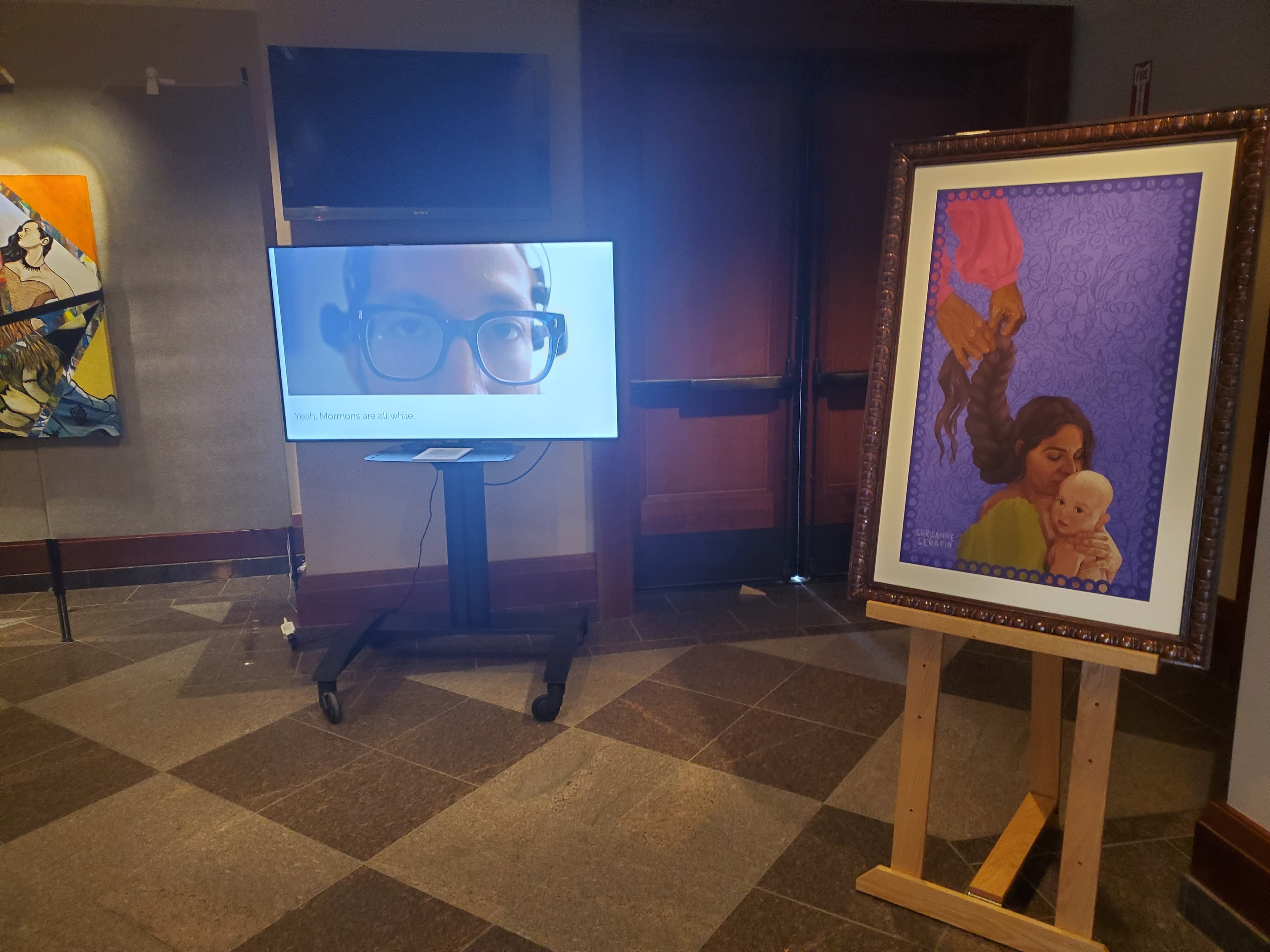
The work
Farraginous is one of my most personal creative works: an experimental composition and video that translates the feeling of living in-between into sound.
Created for the Center for Latter-day Saint Arts, the piece brings together a melody rooted in Chinese tuning, harmony shaped by Western Just Intonation, and biometric-driven experimentation to explore mixed identity, alienation, and the strange beauty of not fitting neatly into a single category.
It is also a statement about coexistence. The tuning systems are not forced into the same frame. They remain distinct, yet they can still live together and create something harmonically rich without one tradition needing to flatten the other.
Why I made it
“I wanted the music itself to carry the feeling.”
I grew up half Taiwanese and half white in the United States, often feeling close to both worlds without being fully claimed by either. Farraginous came from that tension.
I did not want to make a piece that only explained the idea intellectually. I wanted the music itself to carry that feeling. The tuning systems do not fully resolve into a single frame. The sound world stays beautiful, but unstable.
I also wanted the piece to resist a more typical Western move, where another culture's musical language gets absorbed and normalized into a dominant system. Here, the different tuning systems are allowed to stay themselves. The result is a piece about identity, misreading, coexistence, and the middle space.
Final artifact
The released video carries the composition, the body, and the visual narrative as one artifact.
Open on YouTubeInside the system
Tuning and biometrics shaped behavior, but the piece remained grounded in musical feeling rather than technical display.
The melodic language draws from Chinese tuning, giving the piece a tonal center that feels rooted but not conventionally Western.
The harmonic world is shaped through Western Just Intonation, creating a different kind of stability and tension around the melodic material.
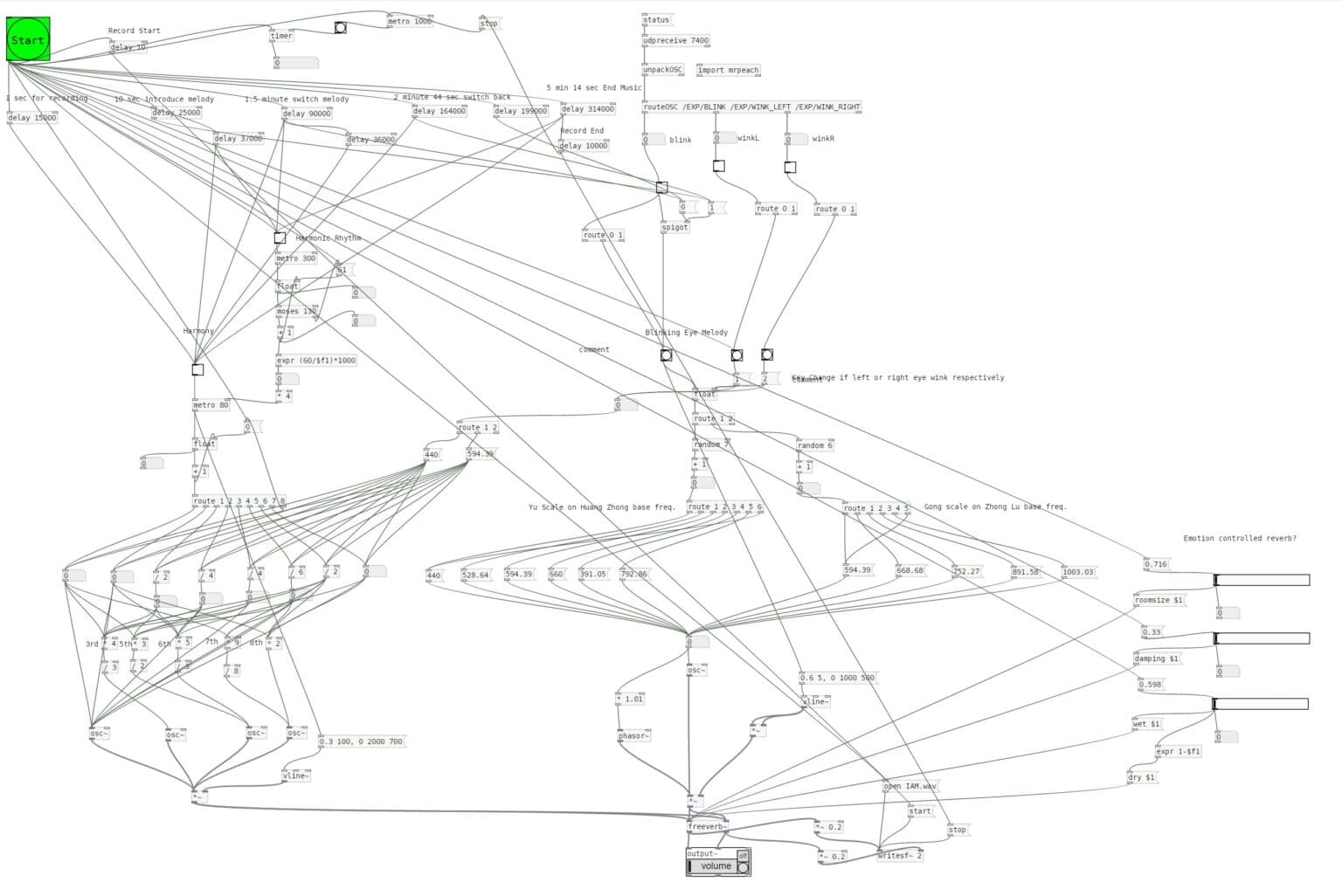
The piece also incorporates EEG-related and facial-expression-linked input. In particular, blinking influenced the melody, turning small physical gestures into musical events.
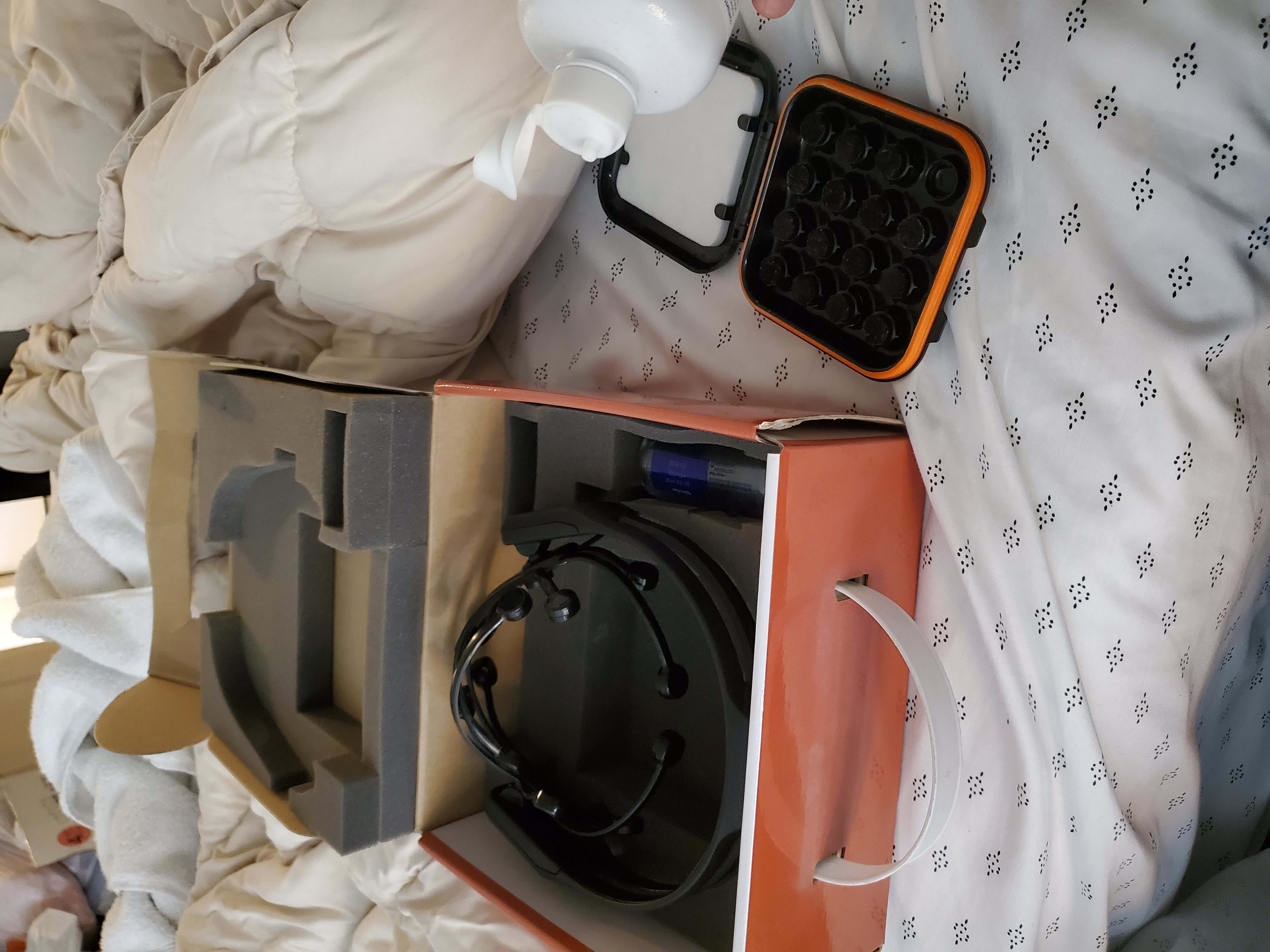
The original concept for Farraginous was to incorporate EEG-derived emotional readings, especially frustration, into the musical behavior. I was working with an Emotiv EPOC+, but by that stage the hardware was beginning to fail, and its emotional-state readings were no longer precise enough to use confidently. I also intended to incorporate live heartbeat, but I was not able to patch live Fitbit data into Pure Data reliably, so the BPM of the final piece oscillates between the highest and lowest heart rates I measured while working on it. Rather than overstate what the system could do, I adapted the piece around the signals that remained dependable, particularly blink-related and expression-linked input.
Different cultural systems can coexist without one needing to erase the other.
Process / system artifacts
The device, patch, and live setup tests show Farraginous as documented creative R&D—not an abstract technology story.
Process artifact
Using the Emotiv EPOC+ during development.
Process artifact
The Pure Data environment used to map biometric behavior into sound.
Process artifact
The EEG device used in the project.
Process video
Blink detection and patch behavior running together in real time.
Presented publicly
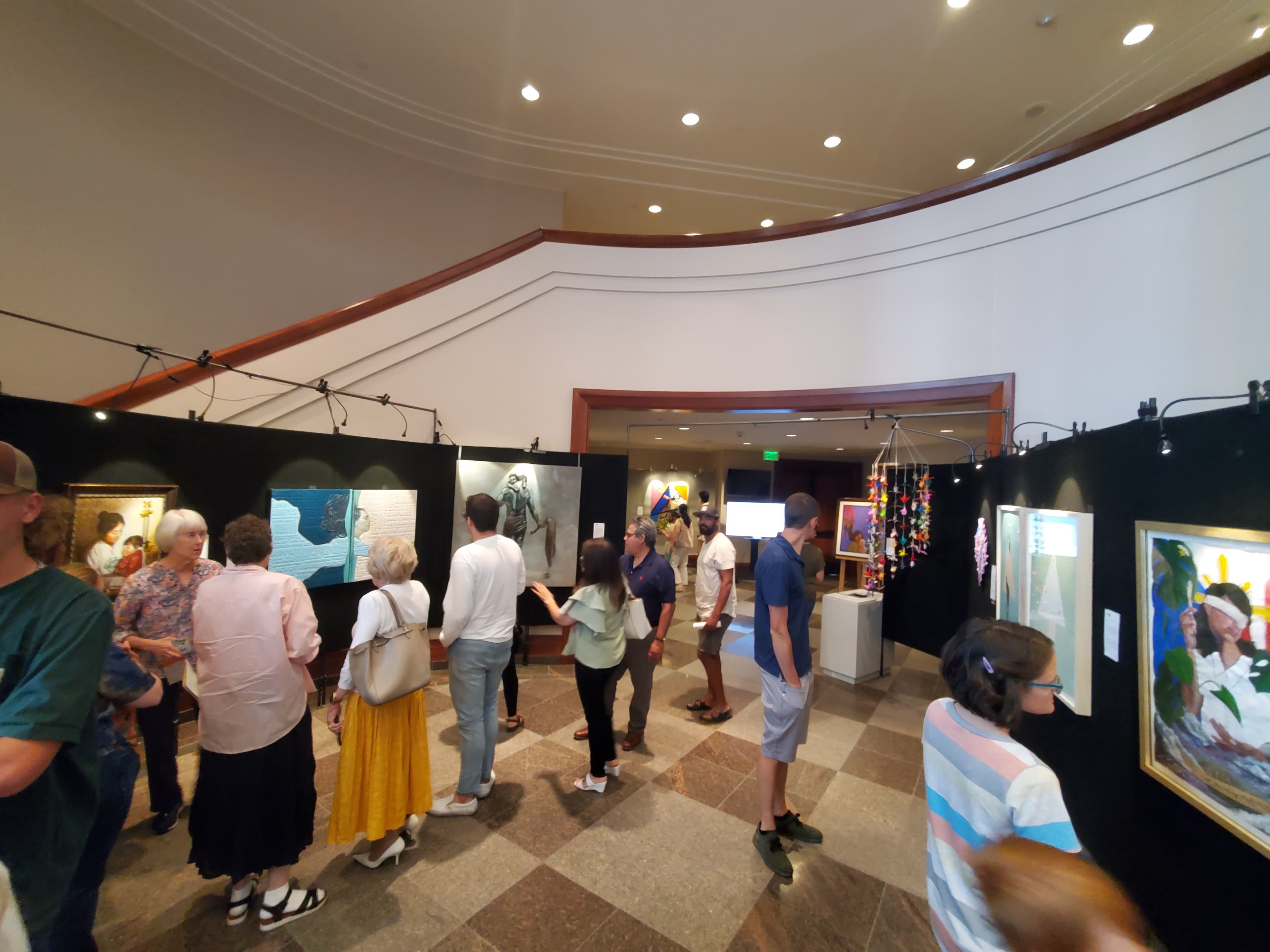
Farraginous was presented as part of the Center for Latter-day Saint Arts exhibition, alongside other artists in a public event setting.
Seeing people encounter it changed my understanding of the piece. One visitor told me it helped him empathize more deeply with his mixed-race child. It suggested the work was doing what I hoped: making in-betweenness felt rather than merely explained.
Installation
Farraginous on display within the exhibition.
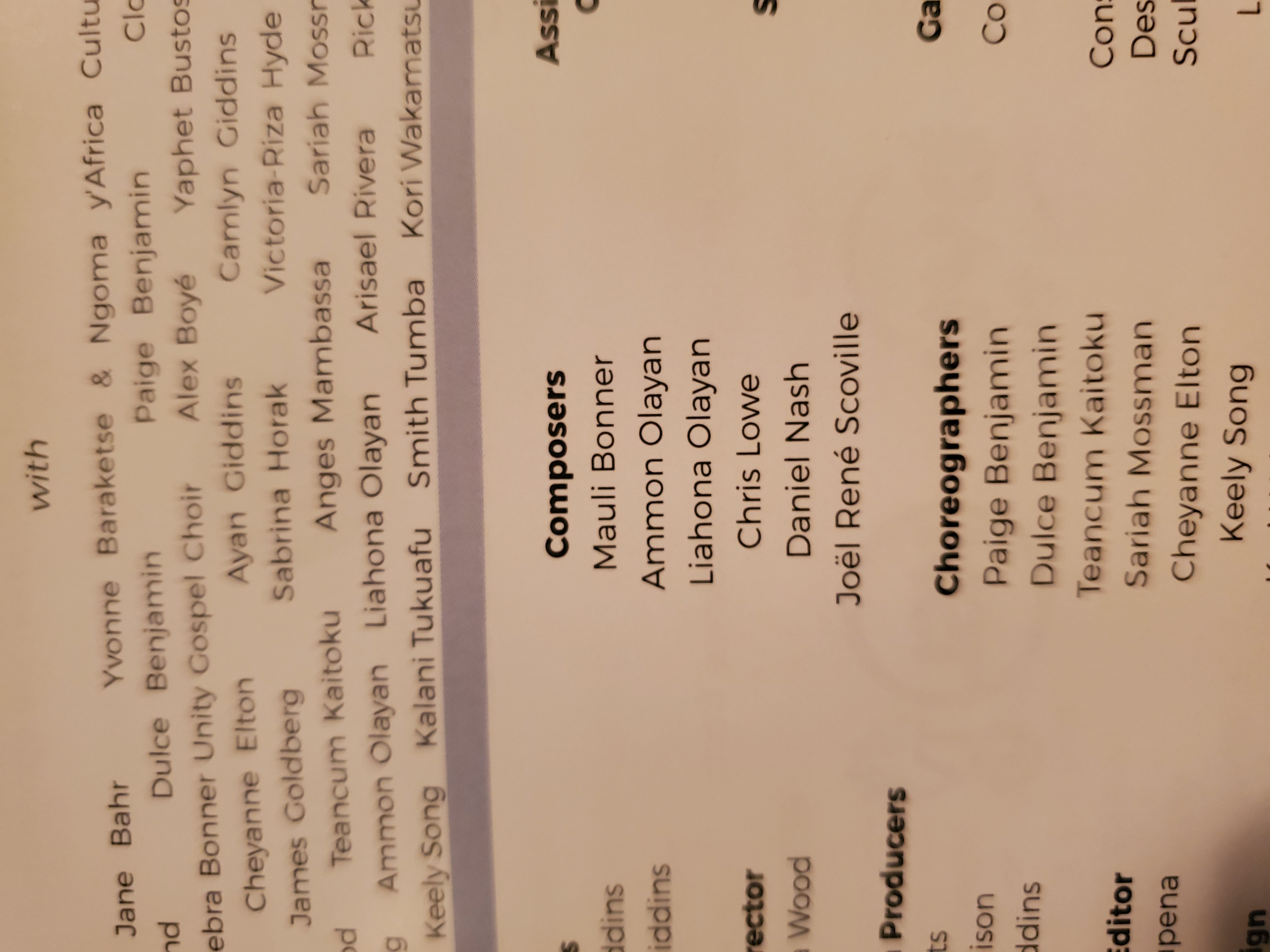
Credit
Program listing with composers credit.
“The work showed me how two cultural systems could remain distinct, still live together, and sound beautiful without one forcing the other into its frame.”
Artist interview
The Center for Latter-day Saint Arts' I AM: Creation interview adds context for the exhibition and the ideas surrounding Farraginous.
Supporting context rather than the main artifact, it places the piece within the exhibition's larger conversation.
Watch the interviewWhy it belongs here
Farraginous reflects the same instincts that shape my product work: translating ambiguous inputs into meaningful systems, designing around human signals, and using structure to turn complexity into something people can feel.
It is a creative work, but it reveals the systems thinking, experimentation, and narrative intent that drive the rest of my portfolio.
Explore more creative work